
In 2026, artificial intelligence is no longer a futuristic concept in marketing — it has become the foundation of how global businesses attract customers, build relationships, and scale operations. From startups to multinational corporations, companies around the world are using AI-powered marketing tools to automate tasks, personalize customer experiences, analyze massive amounts of data, and improve campaign performance faster than ever before.
The marketing landscape has evolved dramatically over the last few years. Businesses are no longer relying solely on traditional advertising methods or manual campaign management. Instead, AI tools are helping brands make smarter decisions, predict consumer behavior, and create highly targeted campaigns that generate better results with lower costs.
As competition increases in digital markets, AI marketing tools are becoming essential for companies that want to remain relevant and competitive in 2026.
The Rise of AI in Modern Marketing
Artificial intelligence has transformed marketing from a reactive process into a predictive and data-driven strategy. Previously, marketers had to rely heavily on assumptions, historical trends, and manual research to understand customer preferences. Today, AI tools can analyze user behavior in real time and provide insights almost instantly.
Global businesses are now using AI to:
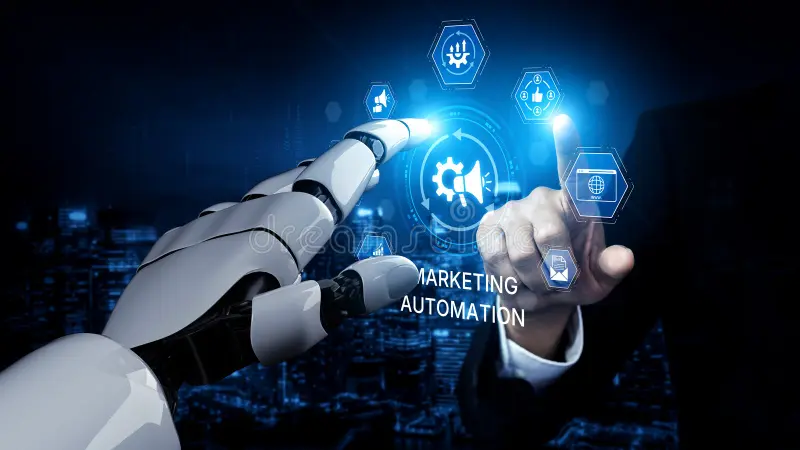
- Automate repetitive marketing tasks
- Generate personalized content
- Improve customer engagement
- Optimize advertising campaigns
- Analyze consumer behavior
- Predict future purchasing trends
- Enhance customer support through chatbots
This shift has allowed companies to operate more efficiently while delivering better customer experiences across multiple platforms and countries.
Personalized Marketing at Scale
One of the biggest transformations AI has brought to global marketing is hyper-personalization. Consumers in 2026 expect brands to understand their preferences, behaviors, and needs. Generic marketing messages are no longer effective in a world where customers are constantly exposed to digital content.
AI tools help businesses create highly personalized experiences by analyzing customer data such as:
- Browsing history
- Purchase behavior
- Social media interactions
- Search patterns
- Demographic information
- Customer feedback
For example, e-commerce companies now use AI recommendation engines that suggest products based on previous purchases and browsing habits. Streaming platforms personalize content recommendations for millions of users simultaneously. Email marketing tools generate customized subject lines and product suggestions for each customer.
This level of personalization improves customer satisfaction and significantly increases conversion rates.
AI-Powered Content Creation
Content marketing continues to dominate digital marketing strategies in 2026, but AI has changed how content is created and distributed. Businesses are increasingly using AI writing assistants and creative tools to produce blogs, social media captions, ad copy, newsletters, and video scripts.
AI content tools help marketers:
- Generate article ideas
- Create SEO-optimized blog posts
- Write social media content
- Produce multilingual content
- Improve grammar and readability
- Analyze content performance
For global businesses operating in multiple countries, AI translation and localization tools have become especially valuable. Companies can now adapt marketing campaigns for different languages and cultures much faster than before.
However, successful brands still combine AI efficiency with human creativity. While AI can generate content quickly, human marketers remain essential for storytelling, emotional connection, and brand identity.
Smarter Advertising and Campaign Optimization
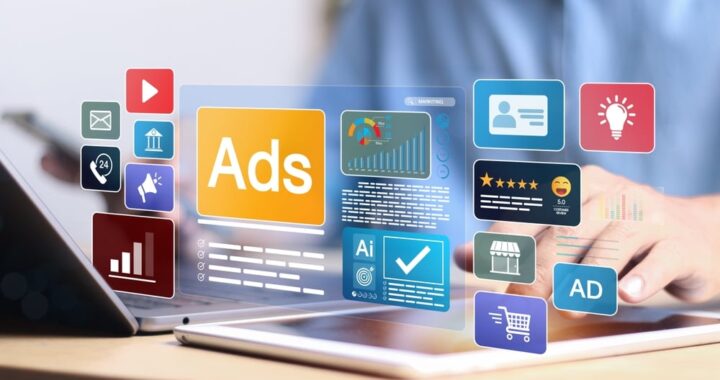
Digital advertising has become more intelligent due to AI-driven automation. Platforms like search engines and social media networks now use machine learning algorithms to optimize ads in real time.
AI marketing tools can automatically:
- Adjust bidding strategies
- Identify high-performing audiences
- Optimize ad placements
- Predict click-through rates
- Improve conversion tracking
- Reduce advertising waste
Instead of manually testing multiple ad variations, marketers can now use AI tools to analyze performance instantly and make data-driven improvements automatically.
This has helped global businesses reduce marketing costs while achieving better returns on investment.
AI Chatbots and Customer Support
Customer service has also undergone major transformation through AI-powered chatbots and virtual assistants. Businesses operating internationally often struggle to provide 24/7 customer support across different time zones. AI chatbots solve this problem by handling customer queries instantly and efficiently.
Modern AI chatbots can:
- Answer customer questions
- Recommend products
- Process orders
- Schedule appointments
- Resolve common issues
- Collect customer feedback
Advanced conversational AI tools now support multiple languages and provide more human-like interactions than earlier chatbot systems.
For businesses, this means improved customer satisfaction, faster response times, and reduced operational costs.
Data Analytics and Predictive Insights
One of AI’s greatest strengths is its ability to process enormous amounts of data quickly. In 2026, businesses are using AI analytics platforms to gain deeper insights into customer behavior and market trends.
Traditional analytics tools mainly showed what happened in the past. AI-powered analytics tools now help predict future outcomes.
Businesses can use predictive AI to:
- Forecast sales trends
- Predict customer churn
- Identify emerging market opportunities
- Understand buying behavior
- Optimize inventory planning
- Improve customer retention strategies
This predictive capability allows companies to make proactive decisions instead of reacting after problems occur.
For international businesses, AI-driven analytics are particularly useful for understanding regional consumer trends and adapting marketing strategies accordingly.
Social Media and Influencer Marketing
Social media marketing has become heavily AI-driven in 2026. Brands are using AI tools to analyze audience engagement, schedule posts, identify trending topics, and monitor competitor activity.
AI also plays a major role in influencer marketing. Businesses now use AI platforms to:
- Identify relevant influencers
- Detect fake followers
- Measure campaign authenticity
- Track engagement quality
- Analyze audience demographics
This helps brands choose influencers who genuinely align with their target audience and marketing goals.
AI-generated virtual influencers have also gained popularity, especially among tech-savvy global audiences. These digital personalities are being used by brands for campaigns, product launches, and social engagement.
Challenges and Ethical Concerns
Despite its many benefits, AI marketing also presents challenges. Concerns around data privacy, misinformation, and ethical AI usage continue to grow.
Consumers are becoming more aware of how companies collect and use their data. Governments worldwide are introducing stricter privacy regulations, forcing businesses to become more transparent.
Some major concerns include:
- Data privacy violations
- AI-generated misinformation
- Over-automation of customer interactions
- Bias in AI algorithms
- Loss of human creativity
Businesses must use AI responsibly while maintaining trust and authenticity with customers.
The most successful brands in 2026 are those that balance automation with genuine human connection.
The Future of AI Marketing
The future of marketing will continue to be shaped by artificial intelligence. As AI tools become more advanced, businesses will gain even deeper customer insights and automation capabilities.
Emerging trends include:
- Voice-search optimization
- AI-generated video marketing
- Real-time personalization
- Predictive customer journeys
- AI-powered visual search
- Advanced conversational commerce
Companies that embrace AI early will likely gain a significant competitive advantage in global markets.
However, AI should not replace human marketers entirely. Creativity, emotional intelligence, storytelling, and strategic thinking remain uniquely human strengths that technology cannot fully replicate.
Conclusion
AI marketing tools are transforming global businesses in 2026 by making marketing smarter, faster, and more personalized. From content creation and advertising optimization to predictive analytics and customer support, AI is helping companies improve efficiency and deliver better customer experiences worldwide.
Businesses that successfully integrate AI into their marketing strategies are seeing stronger customer engagement, higher conversions, and improved operational performance.
As technology continues to evolve, AI will become even more deeply integrated into everyday marketing activities. The future belongs to businesses that combine the power of artificial intelligence with authentic human creativity and customer-centric strategies.